
What Causes Swimming Pool Injuries and Who May Be Liable
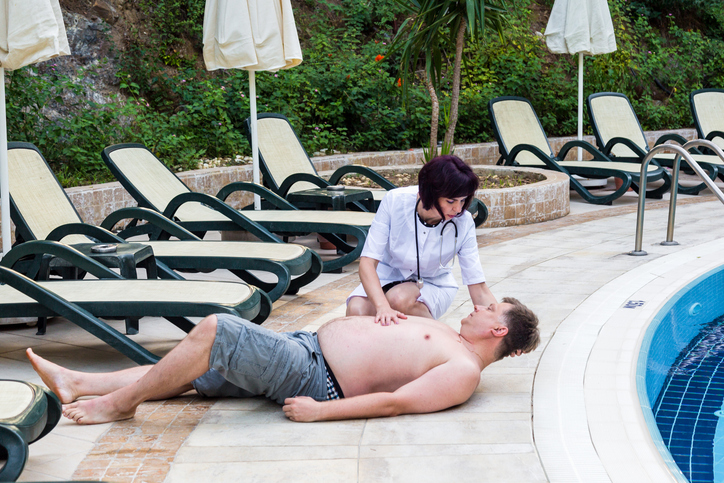
Swimming pools offer a refreshing escape from the heat and often serve as activity centers for families and friends, especially during the warm months. However, these inviting venues waters can disguise potential dangers that can lead to serious injuries or even fatalities. By understanding the risks associated with swimming pools and the legal responsibilities of pool owners and operators, you can put yourself in a better position to obtain compensation if and when an injury occurs.
Several types of accidents can occur in and around swimming pools, each with its own set of causes:
- Slips and falls — These are among the most common pool-related incidents. Wet and slippery pool decks or patios, surface imperfections or debris or clutter around pool areas can easily lead to falls, resulting in injuries ranging from minor bruises to fractures or head injuries.
- Drownings and near-drowning incidents — These can result from lack of supervision, inadequate safety barriers or absence of life-saving equipment. Drowning is an especially high risk for young children. Near drownings can cause oxygen deprivation leading to brain damage.
- Diving accidents — Incorrect diving techniques or diving in shallow areas of the pool can cause head, neck or spinal injuries, including traumatic brain injury.
- Entrapment in drains and fixtures — Poorly maintained or faulty pool drains and suction systems can entrap a swimmer, leading to drowning or serious injuries.
- Exposure to chemicals —Chlorination and algaecides are commonly used to maintain water quality. Improper handling or incorrect levels can cause burns, respiratory issues or other harm.
Liability for swimming pool accidents can be borne by various parties, such as:
- Homeowners — Residential pool owners are expected to ensure the safety of their premises. This includes installing adequate fencing with lockable gates to prevent unsupervised access, particularly by children. They must also maintain the area around the pool to keep it free of safety hazards. Failure to implement these safety measures can result in liability for injuries.
- Commercial entities — Hotels, swim clubs and operators of public pools are required to maintain high safety standards, which include keeping the premises free of hazards, hiring qualified lifeguards, giving clear safety warnings and ensuring a safe chemical balance in the pool water. Neglecting these duties can make these entities legally for harm to swimmers.
- Service providers and equipment installers — Companies that install or maintain swimming pool equipment are responsible for ensuring their work is performed correctly. If an injury is linked to malfunctioning equipment or poor installation, the service provider may be at fault.
- Manufacturers — Companies that manufacture or distribute pool products, such as diving boards, ladders and drain covers, can be held liable for defects under product liability law.
If you or a family member suffers harm in a pool accident, positive steps should be taken to address the injury and secure evidence. Seek medical attention immediately to treat the injury and call 9-1-1 if the injury appears life-threatening. Report the incident to the property owner or manager. Document the scene with photos and gather witness statements. As soon as possible, speak with a personal injury attorney who can advise on the legal options available and help in pursuing claims for compensation.
Schnipper, Britton & Stobaugh in Hot Springs represents personal injury cases victims throughout Arkansas, including those hurt in swimming pool accidents. To schedule a consultation, please call 501-762-0887 or contact us online.